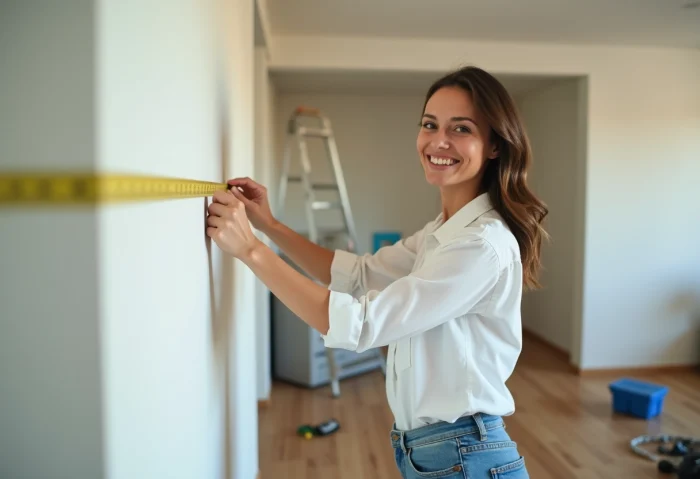
Poor planning triples the risk of going over budget during a renovation. Thermal standards evolve every five years, rendering some techniques that were considered reliable a decade earlier obsolete. Layout errors, often made during the initial phases, are difficult to correct once the work has begun. Ignoring coordination between craftsmen and suppliers causes delays that, when accumulated, extend the project by several weeks. However, some simple steps can help avoid most pitfalls and optimize available resources from the start.
Key steps to successfully design and renovate your home
The success of a renovation project primarily depends on meticulous preparation. First and foremost, it is essential to carefully observe the condition of your home. Review the structure, insulation, and the state of the networks (plumbing, electricity, heating). This thorough diagnosis lays the foundation for a coherent project, far from costly improvisations.
The logical next step is to think about the organization of spaces. An effective interior layout combines natural flow, comfort, and light. From the design stage, consider the technical constraints related to ventilation and the chosen materials. Energy performance is not a bonus; it is often the key to limiting long-term expenses while maintaining comfort.
It is impossible to ignore administrative procedures. If your changes affect the façade or structure, a prior declaration is essential. And regarding the budget, do not hesitate to explore financial aids, whether local or national: they can truly rebalance the investment.
To delve deeper into each step and equip yourself with wise advice, the home guide on L’Atelier du Bricolage gathers methods, tips, and practical details, from material choices to project management. Nothing beats reliable and up-to-date information to turn your project into success. A home, this living space, deserves to be invested in with method and rigor.
What pitfalls to avoid for a stress-free project?
Anticipating the budget remains the best protection against unpleasant surprises. Many renovations spiral out of control due to rough estimates or overlooked items. Vague quotes, underestimated material prices, unforeseen site issues: every detail can weigh heavily. Always keep a safety margin, a budget set aside for contingencies, as they inevitably arise.
The prior declaration is non-negotiable if your work affects the exterior appearance or structure. Skipping this formality risks halting the project or even facing penalties. Administrative deadlines can disrupt the timeline: anticipate, submit your files early, and verify every modification before starting the work.
Coordination among craftsmen plays a crucial role. A slight delay from one trade can shift the entire project schedule. To avoid chaos, prioritize a single point of contact or, if not possible, ensure transparent communication among all parties involved. A detailed, written, and shared schedule minimizes many unpleasant surprises.
Here are two points to watch out for to avoid common pitfalls:
- Assess the impact of each choice on energy performance: poor insulation or an improperly sized heating system will increase your bills and compromise your comfort.
- Ensure that materials and equipment are genuinely suited to your needs to avoid extra costs and future inconveniences.
In this type of project, every detail matters. Experience shows that method, anticipation, and follow-up make all the difference. These qualities separate a well-managed project from a venture fraught with obstacles.

Concrete tips and ideas to share for transforming your interior
Light, volumes, materials: rethink your space
Natural light transforms the ambiance of a home. To fully enjoy it, opt for airy curtains, glass partitions, or even skylights: all solutions to promote a bright and open interior layout. Consider creating new openings or replacing outdated joinery. Every ray of sunshine counts in daily life.
Here are a few simple ideas to rethink your space and improve organization:
- Favor light colors on the walls to create a sense of volume. Then play with contrasts through furniture or a few colorful accessories.
- In the kitchen or bathroom, utilize vertical space with columns, cabinets up to the ceiling, or multifunctional furniture to optimize every square meter.
The choice of materials also contributes to the overall atmosphere: wood adds warmth, metal creates dynamism, and glass visually enlarges the space. For the bathroom, prioritize coverings suitable for humidity and safe to avoid slips. Custom solutions, tailored to your home’s configuration, allow for a balance between style and practicality.
The challenge is to adapt your interior to your lifestyle habits. Opt for modularity: removable partitions, wheeled furniture, evolving shelves. Whether you dream of a workspace or a cozy kitchen, every detail can be designed to meet your real needs. LED lighting, well-thought-out ventilation, integrated USB outlets: these little extras make your home pleasant, efficient, and sustainable.
A well-thought-out home becomes the anchor point for a simpler, more enjoyable daily life. With each thoughtful choice, the balance between functionality and pleasure takes shape, room by room.