The blood flow to the brain can naturally decrease with age, inactivity, or certain lifestyle habits. However, regular stimulation through targeted exercises directly influences cognitive health and memory. Simple methods exist to activate this circulation without special equipment or time constraints. Some practices, validated by research, allow for optimizing brain oxygenation and improving daily alertness.
Why cerebral blood circulation is essential for brain health
Nearly one in four French people faces circulation problems, and the issue goes far beyond mere discomfort in the legs. As soon as blood circulation in the brain weakens, the impact is felt on mental sharpness. Neurons crave oxygen and nutrients to function. Is the irrigation slowing down? The result: memory decline, concentration plummeting, dulled reflexes.
Modern daily life doesn’t help: lack of movement, age, a few extra pounds, a heavy climate, or heredity contribute to slowing this vital flow. Add stress to the mix, and circulation becomes frankly chaotic, not just in the legs but also in the brain sphere. Tingling, heavy legs, swelling, a feeling of heaviness: these visible signs often mask a decrease in brain plasticity, the brain’s ability to adapt and renew itself.
However, the human body has not said its last word. As soon as we move, breathe consciously, or adopt small beneficial rituals, the cardiovascular system gets energized. Breathing, too often forgotten, proves to be the best ally for stimulating brain oxygenation. To take action, sometimes all it takes is to rely on the recommendations from Aux Portes de la Santé. By focusing on simple and regular gestures, we promote a strong mental health, lasting memory, and sustainable brain vitality.
What simple exercises to practice daily to energize your brain
Refusing stagnation means waking up your brain with every step. Brisk walking takes the crown for effectiveness: just practicing it every day, without constraints or the need for equipment, can renew mental energy. A few minutes are enough to activate the heart pump, improve venous return, and spread oxygen to the farthest corners of the brain.
Changing the rhythm is also the strength of swimming or cycling. These activities stimulate deep breathing and engage many muscles while preserving the joints. For those who want to add a dose of joy, dancing combines movement, coordination, and well-being. A dynamic sequence can transform mood and sharpen mental acuity.
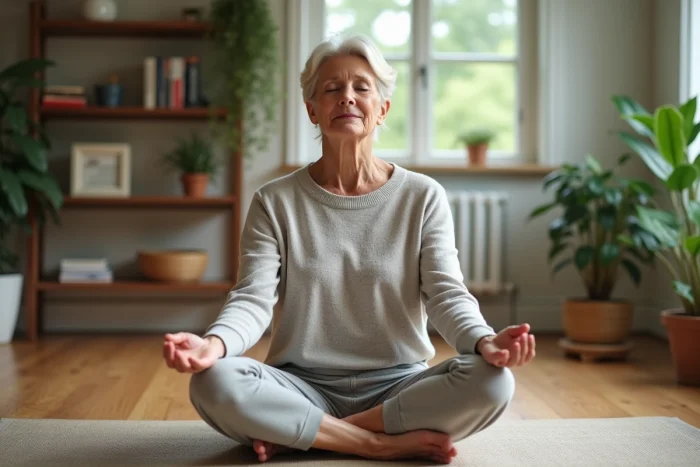
Let’s not forget stretching or muscle strengthening exercises, often underestimated. Incorporating yoga or Pilates into your weekly schedule also promotes deeper breathing and calms the mind, two major levers for boosting cerebral blood circulation.
To guide you, here are examples of activities easy to adopt each week:
- Practice active walking every day (30 minutes recommended)
- Opt for gentle swimming or cycle regularly
- Enjoy a dynamic dance session
- Stretch morning and evening
- Include some muscle strengthening exercises
- Explore yoga or Pilates
The principle is simple: every movement, even moderate, supports brain health and preserves cognitive functions in the long term.

Concrete tips to strengthen memory and cognitive functions daily
The details of the routine make the difference. For example, changing a classic office chair for a Swiss Ball for a few hours a week gently activates postural muscles. The result is improved posture, and cerebral blood circulation benefits.
Also, consider the impact of comfortable clothing: opting for loose-fitting clothes and suitable shoes gives every chance for effective venous return, without discomfort or unnecessary heaviness.
Playing with temperature wakes up your vessels: ending your shower with a blast of cold water (or alternating hot/cold like a Scottish shower) boosts vascular tone and reactivates circulation, even after a day of sitting.
Self-massage also holds its promises. Massaging the legs from bottom to top, possibly with a cooling gel, helps restart blood flow and alleviate the feeling of heaviness. On the plant side, gotu kola, horse chestnut, red vine, or small holly can be useful in infusions or dietary supplements.
Nutrition is not to be overlooked. Focusing on vitamins C, E, B1, omega-3, and magnesium promotes vessel elasticity and brain irrigation. Herbs like rosemary, lemon balm, or peppermint energize circulation and support attention daily.
Adopting these habits prepares today for a brain in shape tomorrow, ready to tackle surprises, big challenges, and small forgetfulness in the future.