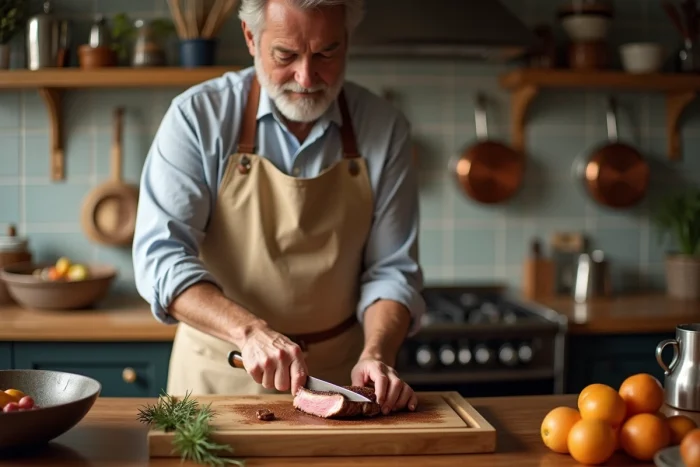
A temperature lower than 65 °C is sufficient to transform the texture of pork tenderloin without losing juiciness. The proteins in the meat react differently depending on the exposure time to heat, which modifies the final result much more than just the choice of temperature.
Some chefs recommend a prolonged resting period off the heat after slow cooking, in order to stabilize the internal temperature and avoid overcooking when slicing. This often-overlooked step directly affects the tenderness and flavor of the cut.
Why slow cooking transforms pork tenderloin
Slow cooking pork tenderloin changes the game: the texture, flavor, and juiciness are transformed. Thanks to the mastery of low-temperature cooking, each muscle fiber softens, offering an undeniable tenderness. Forget dry meat: a tenderloin cooked slowly at 65 °C delivers a tender and flavorful flesh, far from the disappointments of hasty cooking. Time plays a fundamental role here. The heat penetrates the meat gently, promoting an even cooking to the core. The juices remain trapped inside, and the result in the mouth is undeniable: the tenderloin literally melts. Under the effect of gentle and prolonged heat, collagen, that famous connective tissue that sometimes makes meat firm, delicately transforms into gelatin, giving a silky texture and preserved flavor. This change can be explained by an almost scientific mechanism: slow cooking activates enzymatic reactions, and the control of humidity enhances the pleasure of tasting. Observant observers will note the pink hue of the meat, a sign of a low-temperature meat cooking that respects the product. For a top-notch result, select a well-prepared piece, trim it meticulously, and wrap it tightly. Precision, combined with patience, transforms this simple cut into an exceptional dish.
What methods to choose for successful low-temperature cooking?
Different cooking methods allow you to achieve perfection with pork tenderloin at low temperature. Each has its specifics: it’s up to you to explore the options to find the one that suits you best. Oven, skillet, Dutch oven, each method offers a different expression.
Start with a quick sear in the skillet with a bit of olive oil: this step develops a golden crust and concentrates the juices. To continue, nothing beats the low-temperature oven. Set it between 80 °C and 90 °C, depending on the thickness of the tenderloin, for about 50 to 60 minutes of cooking. This process respects the delicacy of the meat, preserves its tenderness, and enhances its aromas. The cast iron Dutch oven appeals to lovers of slow-cooked dishes. The heat diffuses slowly, the meat absorbs the flavors of herbs and garlic, and the texture is transformed.
Here are the strengths of each method:
- Skillet: quick sear, caramelized crust for more flavor
- Low-temperature oven: prolonged and perfectly controlled cooking
- Dutch oven: enveloping heat, intensified aromas
Whichever method you choose, monitor the internal temperature with a probe: there’s no need to go beyond 65 °C to maintain all the tenderness. Adhering to these parameters makes a difference and enhances the quality of the product.

Time, temperatures, and tips to enhance your pork tenderloin
Enhancing a pork tenderloin at low temperature requires precision and attention. Adjust the cooking time to the thickness of your piece: for a standard tenderloin of 500 to 700 g, count about 1 hour at 80 °C. The internal temperature remains the best guarantee: between 62 and 65 °C, the meat stays tender, juicy, and flavorful, far from drying out.
The secret to tenderloin cooking lies in a series of precise gestures. Start with a quick sear in the skillet, using neutral or olive oil, to lock in the juices. Then move to the oven, placing the meat on a rack to ensure even cooking. Remember to baste regularly with the juices or a marinade: this gesture preserves the texture and enriches the flavor.
Small gestures and accompaniments
Some simple tips make a difference in preparation and accompaniment:
- Use a thermal probe to check the internal temperature without approximation.
- Let the tenderloin rest under a sheet of aluminum foil, off the heat, for about ten minutes: the heat distributes evenly, and slicing becomes more precise.
- Enhance the marinade with fresh herbs, thyme, sage, rosemary, or a touch of mustard, to add character to the meat.
For slicing, prefer thick slices to preserve all the tenderness of the tenderloin. A reduced jus, a light sauce, some roasted root vegetables, or a parsnip puree complete the plate. The low-temperature tenderloin then reveals all its subtlety, between finesse and depth. Ultimately, every detail counts to make this simple dish a special moment: patience, mastery, and the pleasure of seeing the meat slice effortlessly, pink at the core, ready to reveal all its generosity.