A room can lose 30% of its functional potential due to poor layout choices. Some professional designers favor atypical configurations, contradicting classic space optimization recommendations. Architectural constraints, often perceived as obstacles, can sometimes become unexpected allies in the quest for a balance between utility and aesthetics.
Trends evolve rapidly, but some tips endure through the years without losing their effectiveness. The diversity of uses, volumes, and expectations requires a specific approach for each space, far from universal recipes and ready-made solutions.
Understanding the stakes of a harmonious and functional interior
More than 70% of French people state that the layout of their interior influences their quality of life (IFOP, 2022). Layout is not a detail: it shapes daily circulation, influences our uses, and impacts the feeling of comfort. Nothing is left to chance. Optimizing space means finding the right articulation between volumes, furniture, storage, and light, to meet practical needs while maintaining a coherent aesthetic.
The home is structured around complementary rooms: living room, kitchen, bedroom, office, hallways, and outdoor spaces. Each has its own codes and balance to find. The layout aims for functionality but does not sacrifice aesthetics or ease of movement. According to ADEME, a thoughtfully designed home reduces unnecessary movements by 30%. Furniture structures the volumes. Storage, in turn, creates order and serenity, two decisive levers for transforming a small space into a true cocoon.
Lighting changes the game. The Lighting Observatory confirms this: multiplying light sources, general, functional, and ambient lighting, allows for playing with volumes and creating tailored atmospheres. Colors and materials alter the perception of space, add depth, and evoke emotions. The 60-30-10 rule for color distribution ensures visual harmony, widely adopted in the home sections of Le blog de Bango. Decorating is far from a futile luxury: every budget finds its solutions, every configuration its tips, and decoration becomes a way to express one’s personality without disrupting daily life.
What tips can reveal the potential of each room?
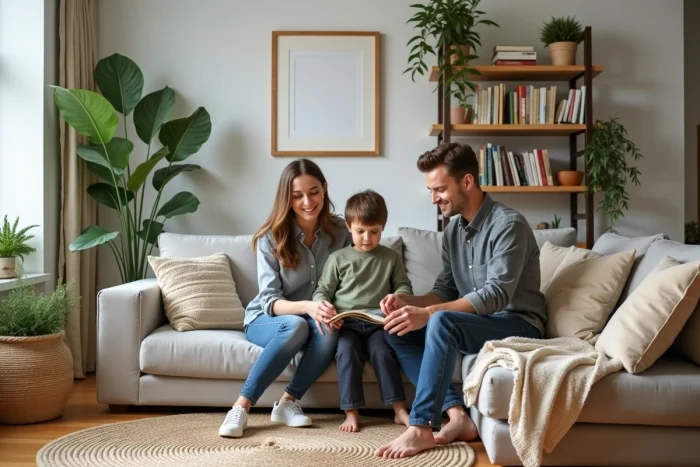
In every space, the layout addresses a dual challenge: functionality and aesthetics. The living room, a true gathering point, focuses on conviviality. Arrange seating to encourage conversations, place rugs to define areas and add comfort underfoot. Rugs prove valuable for visually separating spaces in open rooms.
In the bedroom, the goal is relaxation: soft colors, plush textiles, discreet storage that frees up space around the bed. Mirrors enlarge the room and reflect natural light, while in the bathroom, even a small one, wall accessories or under-sink storage free up floor space.
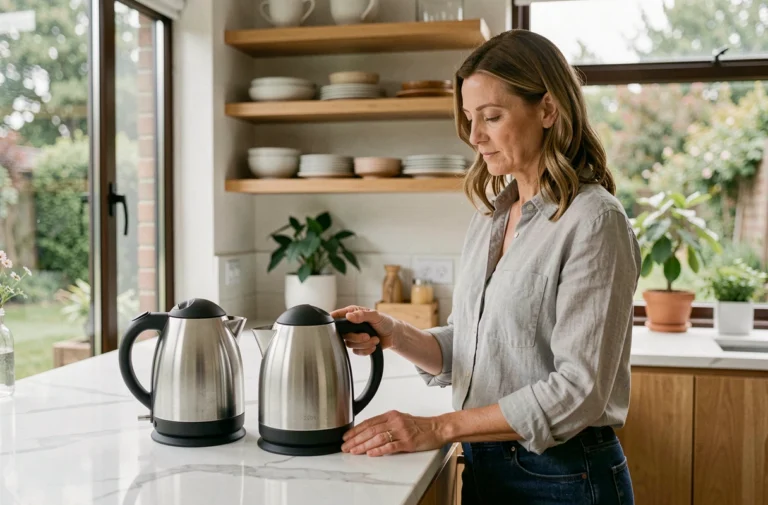
The modern kitchen aims for practicality and fluidity. Respect the activity triangle: sink, cooktop, refrigerator, and multiply space-saving tips. Open shelves, hooks for utensils, a clean countertop: every detail counts to optimize circulation.
In every room, light remains a significant ally. Vary general lighting, supplementary sources, and ambient lights, play with curtains to filter sunlight or blinds for privacy. Plants bring life and purify the air; a few green touches can transform the atmosphere of an office or entryway. Mixing materials—wood, metal, textiles, ceramics—adds depth to the decor without breaking the budget.

Inspiration room by room: styles, colors, and decor ideas to adopt at home
Each room holds unexpected possibilities. Here are some concrete ideas to reinvent each space:
- Living Room: Choose welcoming seating, an easily movable coffee table, and play with an accumulation of cushions and rugs to create rhythm in the volumes. Dare to mix styles: Scandinavian for brightness, industrial for authenticity, bohemian for freedom. The 60-30-10 rule balances colors: 60% for the dominant shade, 30% for the secondary, and 10% for the vibrant note.
- Bedroom: Everything invites rest. Favor soft tones, blackout curtains, and multiply natural materials (linen, cotton, raw wood). A mirror facing the window enlarges the room, and dimmable lamps create a soothing ambiance.
- Kitchen: Combine efficiency and style. An organized countertop, high storage, and durable, easy-to-clean materials: every detail simplifies daily life. The activity triangle remains the foundation.
- Bathroom: The spa spirit is invited with wooden accessories, streamlined faucets, and a few air-purifying plants. Wall storage frees up floor circulation.
- Office: Prioritize natural light, choose ergonomic furniture, and add a few personal items that make you want to settle in.
- Entryway: Often neglected, it sets the tone for your interior: a bench, hooks, a mirror, and soft lighting give it character without overwhelming it.
Transforming your interior is about cultivating the art of detail without ever losing overall control. Each room has its tips, each configuration its potential: the home then becomes much more than a roof; it tells your story through your choices.